





Alcohol Addiction Treatment in South Florida
While each form of addiction can have profound effects on one’s life, alcohol use disorder is arguably the most difficult to overcome because alcohol is legal and widely used, and it permeates our cultural traditions.
If you or a loved one is struggling with alcohol and unsure whether an alcohol use disorder is at play, we encourage you to seek help. Our team of addiction treatment professionals can provide an assessment to determine whether you are suffering from addiction and what level of treatment will best suit your needs. Alcohol use disorder disrupts lives, and Principles Recovery Center provides the wealth of resources and support required to help individuals reclaim their well-being.
WHAT IS ALCOHOL?
Historically, alcohol has been with us for thousands of years ago. Ancient civilizations produced and enjoyed alcohol, often drinking it more frequently than water. Over time, we came to realize that alcohol is extremely addictive and that long-term heavy alcohol use can cause a wide variety of physical and psychological effects.
Chemically, alcohol is what we call the substances ethanol or ethyl alcohol. It’s created from a number of different substances, occurring when yeast breaks down sugars and causes them to ferment. This happens when grapes are made into wine or when wheat or barley are used to produce beer. Various other substances can ferment and produce liquor, such as when potatoes ferment and yield vodka.
The specific ratio of alcohol to liquid varies from one alcoholic substance to the next. For instance, liquors have the highest alcohol content while beer often has some of the lowest alcohol content. This means that individuals consuming alcohol would need greater amounts of beer to achieve the desired level of intoxication than they would liquor (or even wine).
On a cultural level, alcohol has come to be associated with recreational consumption. Although it’s no longer consumed in lieu of water or other beverages, it’s commonly consumed in social scenarios, including at social gatherings or at holiday gatherings. People often enjoy alcohol because it softens their inhibitions and makes it easier to interact with others. Thus, alcohol is sometimes referred to as a “social lubricant.”

Request a Confidential
Callback 24/7
SIGNS OF ALCOHOL ADDICTION
Knowing the signs of alcohol use disorder can be useful when it comes to detecting alcohol disorders in oneself or others.
Immediate signs of heavy alcohol use include a vinegary odor emitted by the skin, which happens as the body struggles to process large amounts of alcohol. Intoxication can also cause slurred speech and impaired coordination.
Long-term alcohol misuse will result in other noticeable signs of addiction:
- Withdrawing from relationships
- Decline in work performance and attendance
- Neglect of responsibilities at home
- Financial difficulties because of the cost of heavy drinking
- Using alcohol in dangerous situations, like when driving
- Withdrawal symptoms when not drinking
- Inability to stop using despite negative consequences
SYMPTOMS OF ALCOHOL WITHDRAWAL
Alcohol use disorder is a diagnosable disease characterized by a strong craving for alcohol, and continued use despite harm or personal injury. One sign of addiction is that the person will experience withdrawal symptoms when they are not drinking.
Symptoms of alcohol withdrawal can range from moderate to severe. Many individuals will experience trembling or shaking in their hands and limbs when they’re withdrawing from alcohol. They might also experience headaches, stomachaches, excessive sweating, and general physical discomfort.
Alcohol withdrawal can cause insomnia or sleep disturbances, anxiety, mood swings, and other emotional and mental symptoms. If the alcohol disorder is long-term and severe, the individual is at risk of a condition known as delirium tremens, which can entail hallucinations and other symptoms of psychosis. When left untreated, delirium tremens can even be fatal.
Long-term alcohol addiction affects every organ in the body. It can impact brain function and increase risk of certain cancers, stroke, and liver disease. Fortunately, much of the damage caused by alcohol can be reversed with treatment and a commitment to health and sobriety. If you’re experiencing alcohol withdrawal symptoms and want to stop using alcohol, contact Principles Recovery Center. We will help you get into a medical detox facility and then admit into one of our treatment programs.
Never Be Alone Again
Come Join Our Recovery Family
How We Help Set You Up for Success!
ALCOHOL USE DISORDER TREATMENT: HOW DOES IT WORK?
Individuals who suffer from alcohol addiction are typically discouraged from attempting to get sober on their own because of potentially serious side effects. Medical detox is the best way to rid the body of alcohol, as clients are under 24/7 medical supervision and provided with medications and therapeutic treatments to help alleviate the worst withdrawal symptoms.
Detox is just the beginning of the treatment process. Once detox is complete (approximately 3-7 days for most clients), clients will enter into an intensive treatment program to receive individual and group therapy, education about relapse prevention, holistic treatments, and more. An addiction treatment program helps clients learn a new lifestyle in which they can sustain sobriety.
Once the treatment program ends, clients are encouraged to participate in aftercare programming and community support groups.
Insurance Can Help Cover
the Cost of Treatment at PRC.
WE’VE GOT
YOU COVERED!
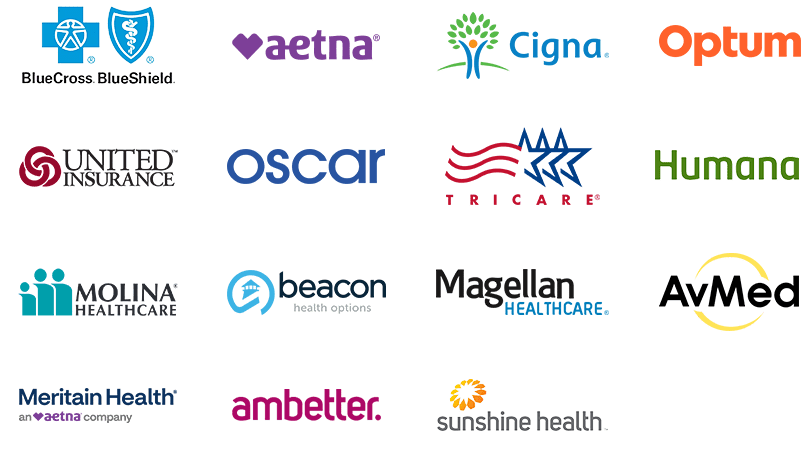
Insurance coverage for treatment is within reach. We are in network with most insurance carriers in Florida.

Keeping You Connected to Lasting Recovery.
TREATMENT OPTIONS AT OUR SOUTH FLORIDA FACILITY
At Principles Recovery Center, we offer several levels of outpatient care. For clients who are suffering from alcohol use disorder, we recommend medical detox with one of our trusted partners in South Florida. Then, our treatment team will work with the client to determine which of our programs will best suit their needs: our partial hospitalization program (PHP), intensive outpatient program (IOP), or traditional outpatient program (OP).
Often, clients will begin in our PHP and gradually step down into IOP and OP as they become stronger in sobriety. Individual and group therapy are the hallmarks of our programming. Clients in PHP and IOP will experience more intensive levels of therapy and educational programming than those in our OP.
After completing treatment, our clients have several options for aftercare. We help the client arrange ongoing psychiatric and therapeutic care as needed, and we encourage them to join our alumni group for continued connection with others who are navigating recovery.
LET PRINCIPLES RECOVERY CENTER HELP YOU OVERCOME ADDICTION
At Principles Recovery Center in Davie, FL, we treat alcohol addiction as well as addiction to drugs like heroin, hallucinogens, crack/cocaine, inhalants, marijuana, MDMA, methamphetamine, steroids, and many others. If we are unable provide to services, we offer numerous trusted referrals for addiction treatment in Miami, Fort Lauderdale, and West Palm Beach as well as across the country in states such as New Hampshire, Massachusetts, Maine, New York, New Jersey, Ohio, Illinois, Tennessee, and Pennsylvania.
At our intensive outpatient programs, we offer cognitive behavioral therapy, multidimensional family therapy, motivational interviewing, and contingency management, among other types of therapy, during treatment.
Each individual is different, and at Principles Recovery Center we create a specific treatment plan based on your circumstances. The easiest way to learn about how we can help is to give us a call for a free consultation.

CREDENTIAL HIGHLIGHTS

 Verify Insurance
 (754) 354-3728