





Millions of Americans struggle with depression. In 2020, nearly 8.4 percent of adults had a major depressive episode. Depression can affect anyone. However, individuals who abuse drugs and alcohol are more vulnerable to depression and vice versa. For the most effective intervention, depression and addiction have to be addressed together in what is called dual diagnosis treatment.
WHAT IS DEPRESSION?
Depression, most commonly manifesting as major depressive disorder (MDD), is a common and severe mental health disorder. Depression negatively affects how you feel, the way you think, and how you act. It causes feelings of sadness and a loss of interest in activities once enjoyed. It can lead to various emotional and physical problems and decrease a person’s ability to function at work and at home.
While everyone experiences sadness or “feeling down” at times, clinical depression is a medical condition requiring treatment. Clinical depression involves persistent, intense symptoms that impair daily functioning. With clinical depression, the symptoms will not get better without treatment.
In addition to MDD, other types of depression can also compromise a person’s health and well-being. Persistent depressive disorder, seasonal affective disorder, postpartum depression, and psychotic depression, among other types, benefit from professional treatment.
If a close relative has experienced depression, the likelihood of experiencing it yourself is even higher.
Chemical imbalances in the brain, particularly those involving neurotransmitters like serotonin, dopamine, and norepinephrine, play a significant role in depression.
Stressful life events, such as the loss of a loved one, financial difficulties, or significant life changes can trigger depression.
Certain personality traits, such as low self-esteem or being overly self-critical, can increase the risk of developing depression.

Request a Confidential
Callback 24/7
Dual Diagnosis: Depression and Addiction
In 2020, over 35 percent of American adults struggling with a major depressive episode in the past year also struggled with addiction. It’s crucial to address depression and addiction recovery simultaneously.
Besides having common risk factors like trauma and chronic stress, people self-medicating to cope with depression symptoms often struggle with addiction. While some substances may ease symptoms temporarily, they worsen depression over time.

SIGNS OF DEPRESSION
Knowing the signs of depression is essential to getting help. Symptoms can vary widely but typically include:
- Persistent sad or anxious mood
- Feelings of hopelessness
- Irritability
- Loss of interest in activities once enjoyed
- Fatigue
- Difficulty concentrating, remembering, or making decisions
- Changes in sleep patterns
- Changes in appetite or weight
- Thoughts of death or suicide
Never Be Alone Again
Come Join Our Recovery Family
DIFFERENT TYPES OF DEPRESSION
Major depressive disorder is also referred to as clinical depression, to distinguish it from depression that is directly due to or caused by a single event. But it is not the only type of depression.
Persistent Depressive Disorder
Persistent depressive disorder, formerly known as dysthymia, is a chronic, low-grade depression lasting 2 years or more. It can be punctuated with periods of major depression as well.
Seasonal Affective Disorder
Seasonal affective disorder (or SAD) is a type of depression that occurs during the time of year when there is less daylight. Symptoms typically lessen or disappear when the days grow longer.
Postpartum Depression
Postpartum depression affects some women after childbirth. This is not the “baby blues,” which typically eases after a few weeks. Postpartum depression symptoms include extreme sadness, anxiety, and fatigue. Mothers also find it hard to care for the baby and themselves.
Psychotic Depression
Psychotic depression is a severe disorder. It involves having a major depressive episode along with auditory or visual hallucinations and delusions (false beliefs) that are depressive.
Acute vs. Chronic Depression
Understanding the difference between acute and chronic depression helps in identifying the appropriate treatment.
Acute Depression
Acute depression (which can fall under the heading of major depressive disorder), is characterized by severe symptoms that interfere with daily life. These symptoms are usually intense and can last for weeks or months.
Chronic Depression
Chronic depression, or persistent depressive disorder (dysthymia), involves long-term, continuous symptoms that are less severe than acute depression but last for at least two years. This form of depression can significantly impact the quality of life due to its enduring nature.
WHY DEPRESSION AND ADDICTION CO-OCCUR
Depression and addiction often co-occur. Each condition influences and worsens the other. Understanding this interaction is crucial for effective treatment.
Self-Medicating with Substances
Self-medicating is when individuals use drugs or alcohol to cope with emotional pain. While substances might provide temporary relief, they often lead to dependence and addiction. Over time, substance use can worsen depressive symptoms, creating a vicious cycle that is hard to break.
High Rates of Co-Occurrence
Depression and addiction frequently co-occur. According to the National Institute on Drug Abuse (NIDA), individuals with mood disorders like depression are almost twice as likely to develop a substance use disorder.
Similarly, people with substance use disorders have an increased risk of developing depression. The connection between these conditions makes dual diagnosis a common but complex issue.

WHAT IS DUAL DIAGNOSIS?
Dual diagnosis, or co-occurring disorders, means having both a mental health disorder and a substance use disorder simultaneously. Nearly 50 percent of people struggle with co-occurring disorders in their lifetime. Typically, people with a dual diagnosis are less likely to follow their treatment plan and drop out of treatment early.
For example, there is a strong connection between major depression and alcoholism. In a nationwide study of adults 18 and over with current alcohol addiction, 20 percent also meet the criteria of co-occurring major depressive disorder. Of the participants, those seeking addiction treatment were 40 percent more likely than those without addiction to have a mood disorder.
While alcohol may act as a stimulant at first, it is a central nervous system (CNS) depressant. Alcohol lowers inhibitions, impairs judgment, and increases the risk of suicide in a depressed individual. This is why dual diagnosis treatment is crucial for those suffering from co-occurring substance use disorder and depression.
Getting a Dual Diagnosis for Depression and Addiction
A dual diagnosis of both depression and addiction involves a comprehensive evaluation by a mental health professional. For many people, the road to diagnosis starts with their primary doctor. Their doctor then refers them to a specialist.
A psychiatrist or psychologist will conduct a thorough evaluation. This includes discussing history, symptoms, and how they impact daily life. The symptoms will then be assessed using the Diagnostic and Statistical Manual of Mental Disorders (DSM-5).
Then, a substance addiction specialist will evaluate the extent of and the impact of substance use. They may use the Addiction Severity Index (ASI) or the Alcohol Use Disorders Identification Test (AUDIT).
Bloodwork may also be done to rule out any underlying conditions causing the symptoms. The specialists will help coordinate care for both disorders if a dual diagnosis is made.

Treatment for Depression and Addiction
Effective treatment for depression and addiction involves a comprehensive, simultaneous approach that addresses both conditions. Without dual diagnosis treatment and a relapse prevention plan, the danger of using substances again is increased. At Principles Recovery Center, we offer the following resources in our treatment program.
A simultaneous treatment approach involves coordinating care to address both depression and addiction recovery together. This can include:
- Comprehensive Assessment: A thorough evaluation to identify both disorders accurately.
- Coordinated Care: Healthcare providers work together to create a personalized treatment plan.
- Simultaneous Therapy: Therapy sessions that treat both conditions at the same time.
Several behavioral therapies have proven effective in depression and addiction recovery treatment:
- Cognitive Behavioral Therapy (CBT): Helps individuals identify and change negative thought patterns and behaviors contributing to both depression and addiction.
- Dialectical Behavior Therapy (DBT): Focuses on teaching coping skills to manage emotions and reduce self-destructive behaviors.
- Motivational Interviewing (MI): Encourages individuals to develop their own motivation to change their behavior and commit to treatment.
- Contingency Management (CM): Uses positive reinforcement to encourage abstinence and healthy behaviors.
Medications can sometimes play a necessary role in depression and addiction treatment. This can take the form of:
- Antidepressants: Medications like selective serotonin reuptake inhibitors (SSRIs) and serotonin-norepinephrine reuptake inhibitors (SNRIs) can help manage depressive symptoms.
- Anti-Anxiety Medications: Certain medications can be used to treat anxiety symptoms that often accompany depression and addiction. However, it’s important to find non-addictive medication for these disorders.
- Medications for Substance Use Disorders: Drugs like methadone, buprenorphine, and naltrexone can help with opioid addiction, while disulfiram, acamprosate, or naltrexone can assist with alcohol dependence.
Holistic therapies can complement traditional depression and addiction treatments by addressing overall well-being:
- Mindfulness and meditation promote relaxation and mental clarity.
- Exercise and regular physical activity can improve mood and reduce stress.
- A healthy diet supports physical and mental health.
- Creative activities like music and art allow individuals to express themselves and process emotions.
Support of family members and friends is crucial in depression and addiction recovery. Loved ones can provide emotional support, help the individual stay accountable, and encourage them to stick to their treatment plan.
Professional support from healthcare providers, therapists, and counselors is also essential for helping individuals recover.
Insurance Can Help Cover
the Cost of Treatment at PRC.
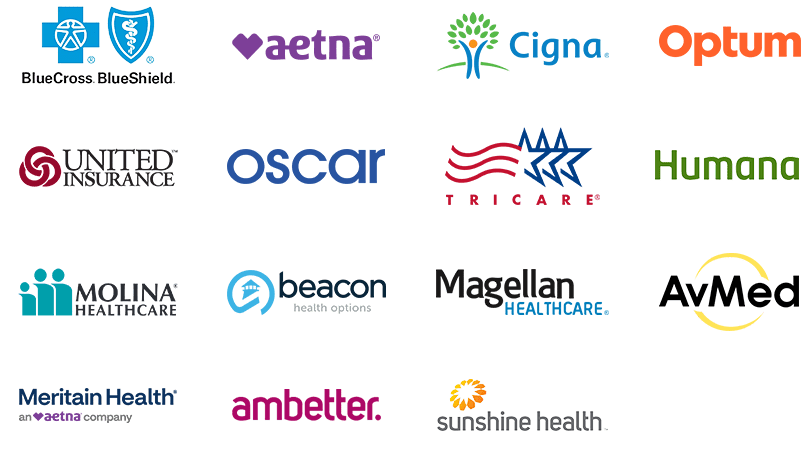
WE’VE GOT
YOU COVERED!
Insurance coverage for treatment is within reach. We are in network with most insurance carriers in Florida.

DEPRESSION AND ADDICTION TREATMENT AT PRINCIPLES RECOVERY
If you or a loved one is struggling with depression and addiction, Principles Recovery Center can help you achieve lasting recovery. Contact us today to learn more about our dual diagnosis treatment program and how we can help you.
CREDENTIAL HIGHLIGHTS

 Verify Insurance
 (754) 354-3728